What is The Catenian Association?
The Catenian Association is an international brotherhood of practising Catholic laymen who meet socially, at least once a month, in local branches, known as Circles. Members refer to each other as ‘brother’. This reflects the strength of the mutual support they give to each other and their families, which is based on the shared values of their Catholic belief and practice. In an increasingly secular society, the Association provides a sociable and supporting haven (an oasis of calm) for those facing challenges to their beliefs and moral values in their business, professional and family lives. Through their membership Catenians are helped to enjoy and fulfill their various vocations in life. Firstly as baptised Christians and also in their family as a husband and father; in their chosen profession or workplace; within the civil community and within the church.
The Association’s name is derived from the Latin ‘Catena’ (a chain) with the Circles being the links in the chain. The emblem consists of a continuous chain of links surrounding a cross. This symbolizes that our Catholic faith is at the centre of all we do.
The Association is not a fund raising agent for the Catholic Church, nor is it a Catholic action group. However, it is a group of active Catholics. On an individual basis, Catenians take an active part in the life of their parishes and many play a leading role in their dioceses and Catholic lay organisations locally and nationally. The Association is non-political though Catenians are prominent in many aspects of public life and service.
Morpeth Circle
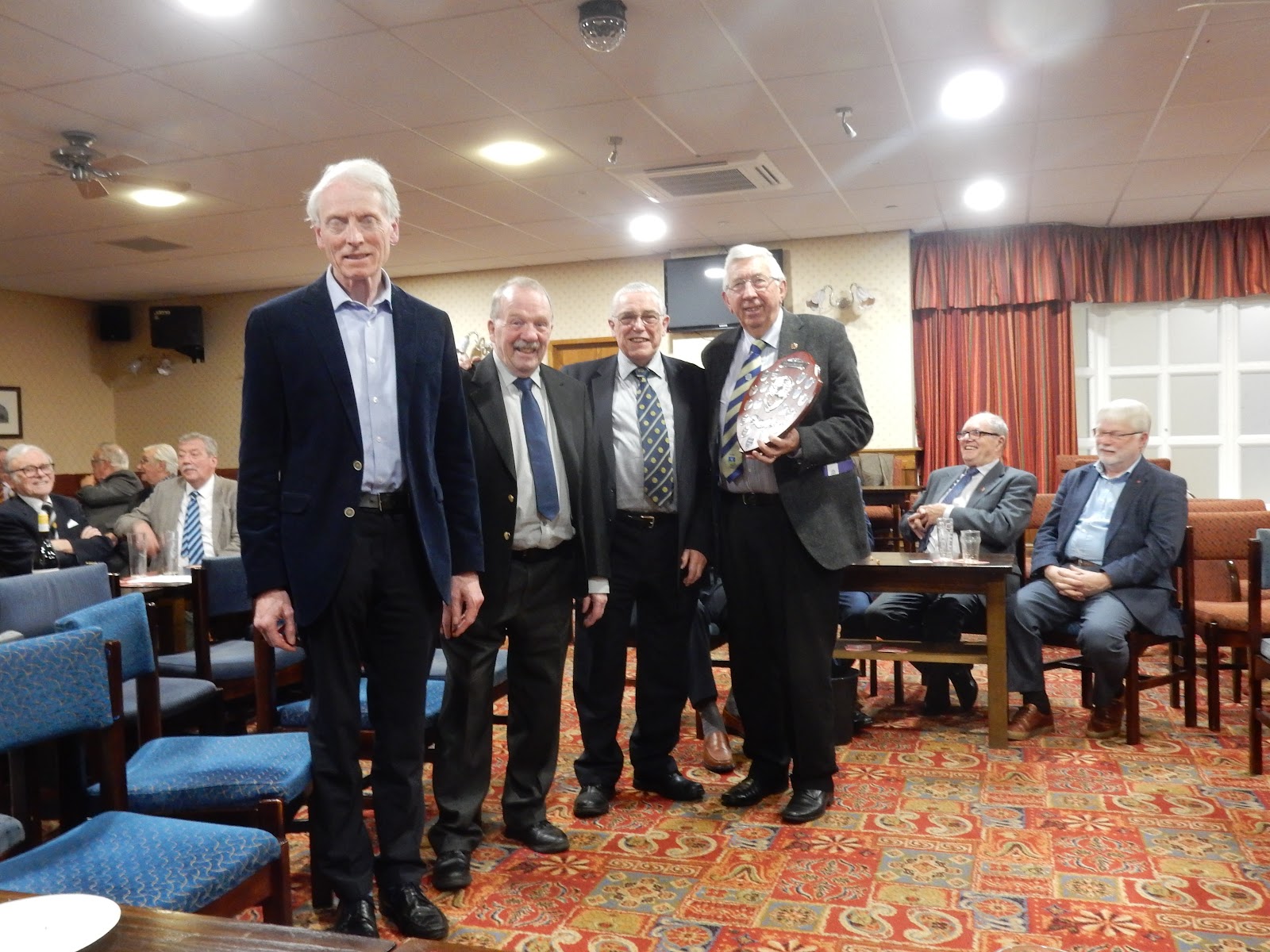
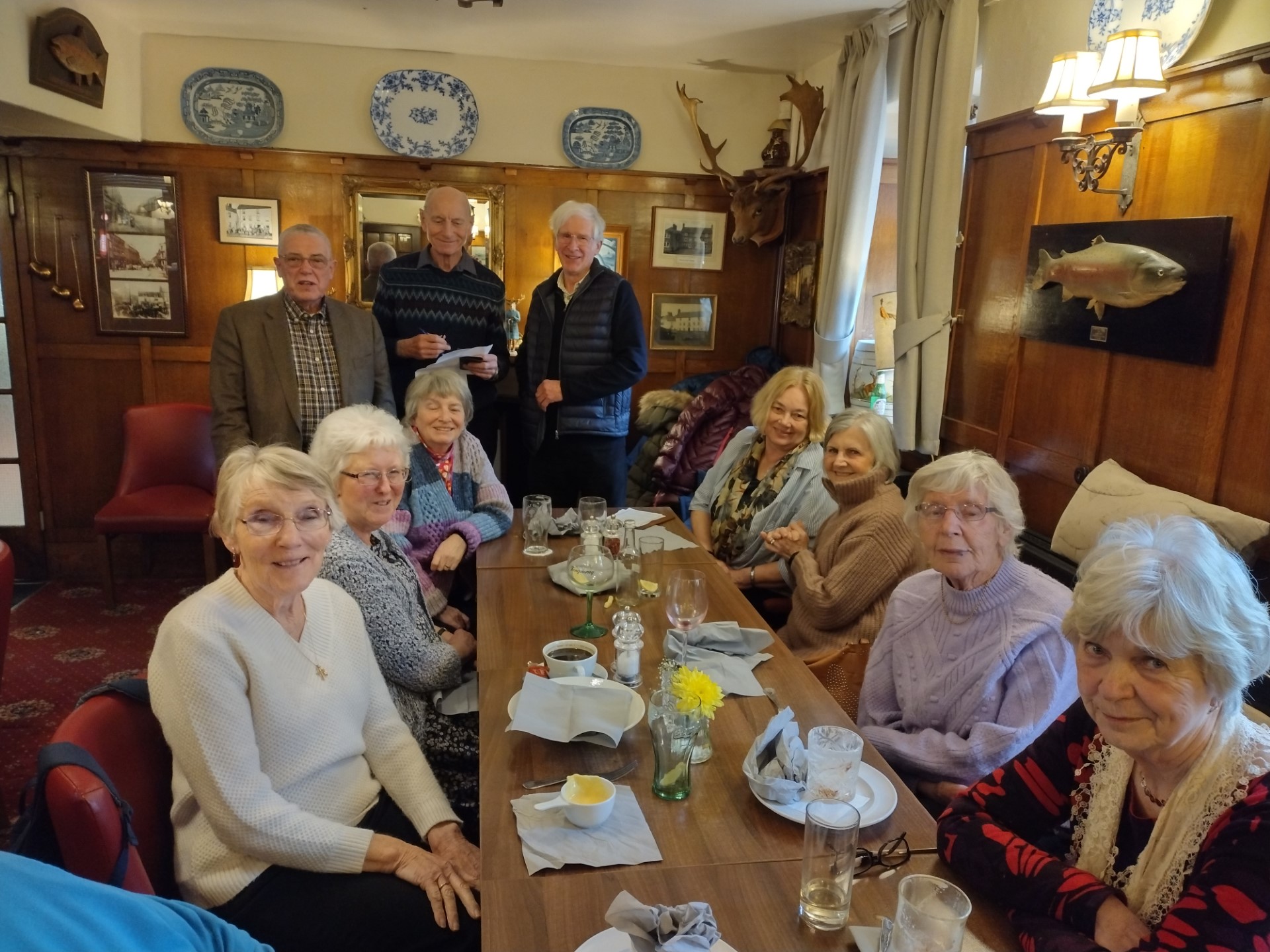
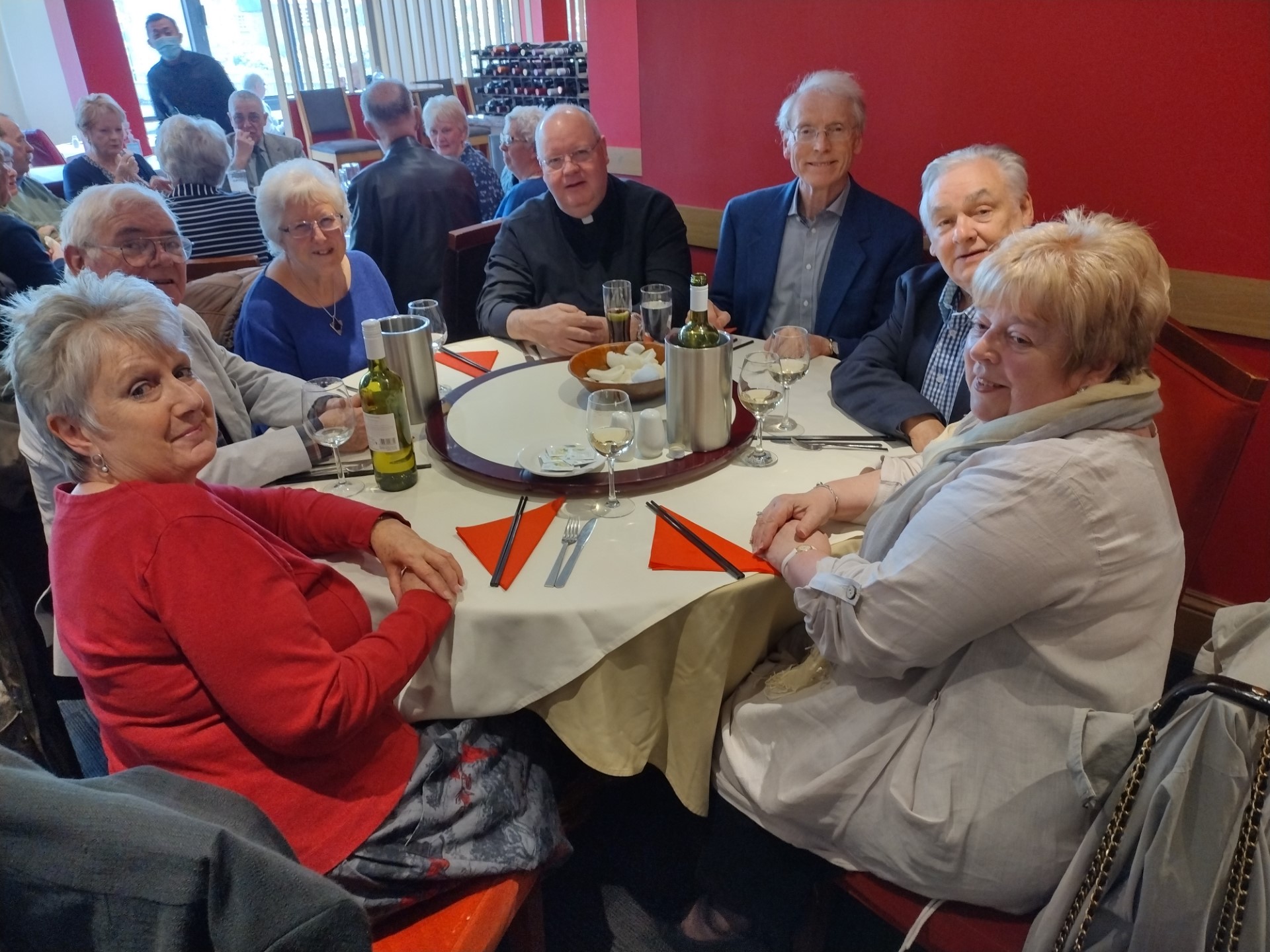
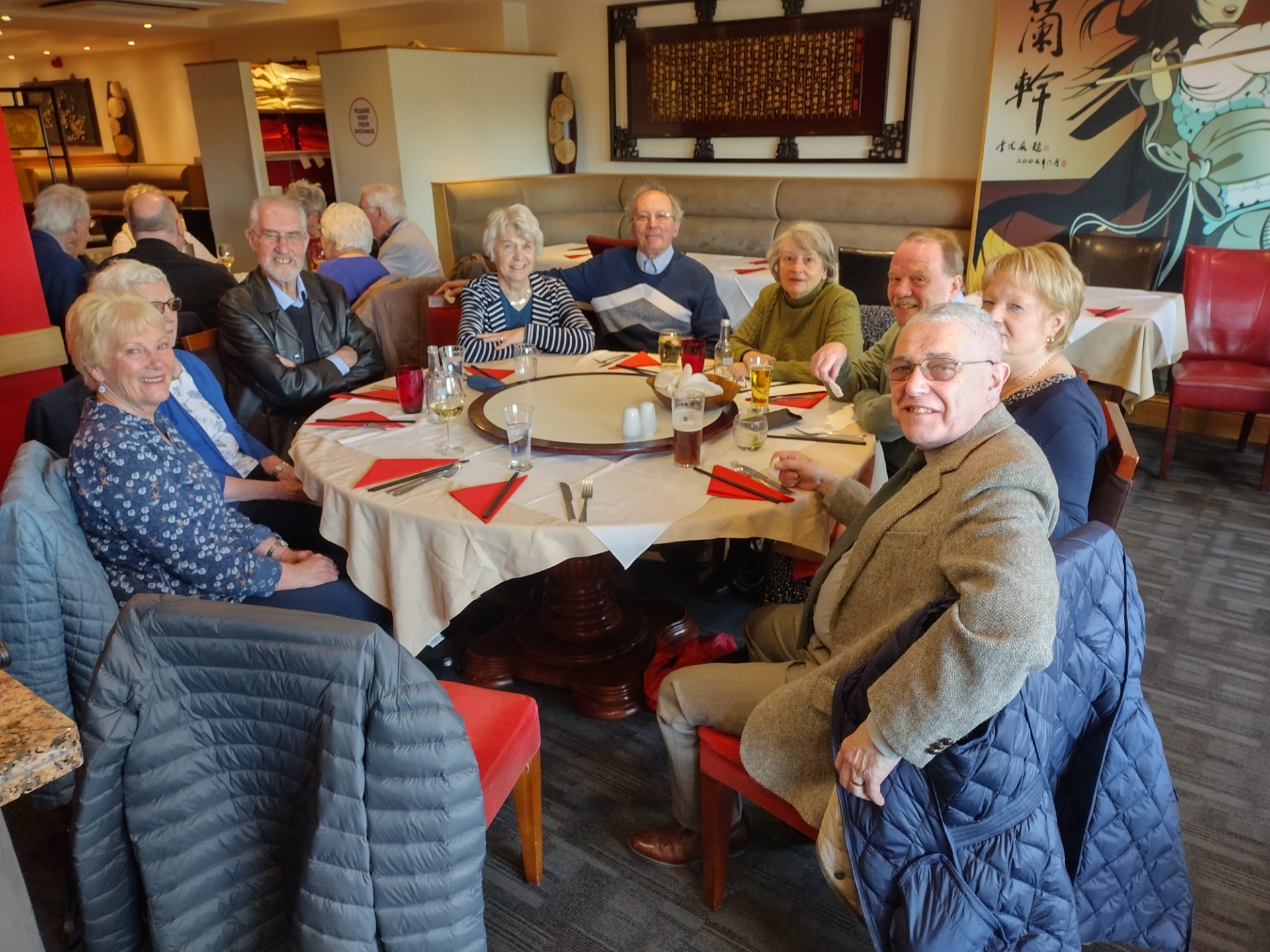
The Circle was inaugurated in November 1968 and currently has 20 members, committed to the principles of the Association and its aims. Our monthly Circle meetings and extra social activities provide the core support for Brothers, their families and widows. In addition, individual Catenians are to be found serving the needs of the parish, for example on the Parish Pastoral Council, the Parish Finance Committee, the SVP, Refugees, Christian Aid, welcoming at Mass. Occasionally, we do something for the whole parish, like the summer barbecue to celebrate the post-pandemic resumption of social interaction. The three fruit trees at the Church entrance were planted as a thanksgiving for deliverance of the parish from Covid. We host coffee in the park on Wednesday mornings.
We do not trumpet our activities. Instead, we serve where we can, discreetly.
We are always ready to welcome new members. If you might be interested in finding out more, in principle and without prejudice, do contact Michael Quincey or Cuthbert Regan via the parish office. We’d love to hear from you.

The Aims of the Association
- to foster brotherly love among the members.
- to develop social bonds among the members and their families.
- to advance the interests of members and their dependants by individual or collective action.
- to advance the interests of young Catholics and to assist them in the choice or pursuit of a career.
- to establish, maintain and administer benevolent funds.
- to promote and support The Catenian Association Benevolent and Children’s Fund (“the Benevolent Fund”) and the Catenian Bursary Fund.
Bursary Fund
Helping young people discover themselves while helping others.
The Catenian Bursary Fund helps Catholics aged 16 to 24 take part in community-based projects at home and abroad, which have a clear benefit for others as well as for the participant. Applicants for grants do not need to have any connection to a member of the Catenian Association.
This charitable fund administered by Trustees on behalf of the Catenian Association fulfils one of its original core aims: “to advance the interests of young Catholics and to assist them in their choice or pursuit of their career”.
It was an experience I shall never forget and has in fact changed my career intentions.
Grants are made to contribute to necessary travel and living costs, which may be incurred by taking part in a voluntary project. Grants are never made to cover the whole cost.
There is no preferred duration for the projects. Each application is considered on its merits but grants are not paid to help pay for part of an applicant’s educational course such as a medical elective. Recipients are required to provide a written report on their project, preferably with photographs of the work undertaken. Some are later published in the Association’s monthly magazine ‘Catena’ or the Fund’s annual report to publicise the work of the Bursary Fund.
The Trustees usually meet to discuss grant applications five times a year. Grants are not made retrospectively so applications must be made in good time. The Trustees may make any enquiries they deem necessary in coming to their decision.